
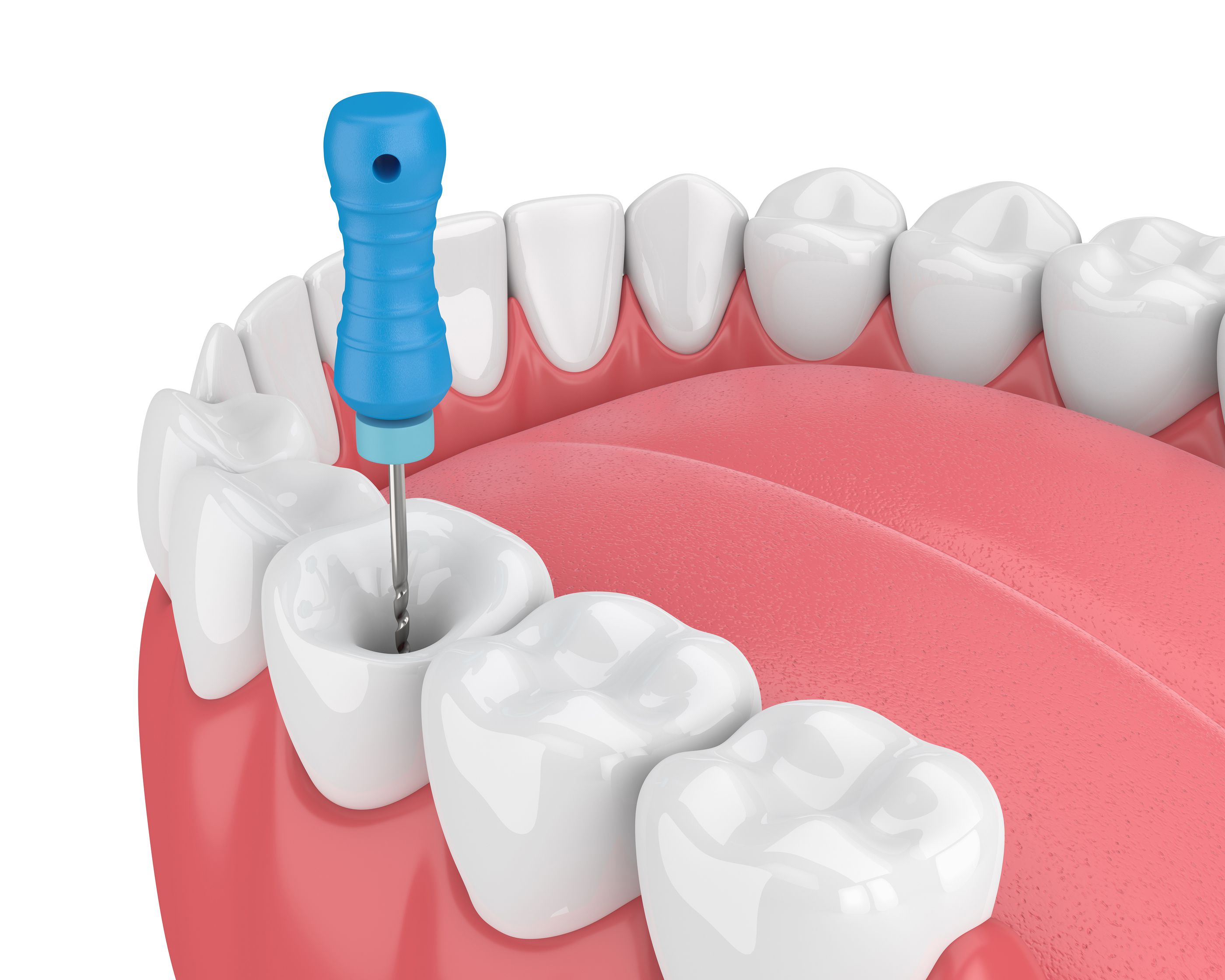
Mastering Root Canal Treatment Starts with the Right Clinical Training
For many dentists, root canal treatment is one of the most rewarding yet technically demanding procedures in daily practice. It requires precision, patience, and the ability to make sound clinical decisions at every stage. While dental school introduces the fundamentals, many graduates feel they need additional practical experience before confidently managing a wide range of endodontic cases.
If you're searching for the Best RCT course in Delhi, choosing a program that emphasizes clinical learning rather than only classroom teaching can make a significant difference in your professional journey.
A Good RCT Is Built on Planning, Not Speed
One of the biggest misconceptions about root canal treatment is that faster always means better.
In reality, successful endodontic treatment depends on accurate diagnosis, proper case selection, and a systematic clinical approach. Every tooth presents unique anatomical challenges, making careful planning essential before beginning treatment.
An advanced RCT course should therefore teach participants to think critically before picking up an instrument.
Clinical Precision Comes with Repeated Practice
Confidence develops through repetition.
Performing procedures under experienced supervision helps dentists refine their techniques while understanding how to handle different clinical situations.
Practical training should include opportunities to improve:
Diagnosis and Case Assessment
Understanding symptoms, radiographs, and pulp status helps determine the most appropriate treatment plan.
Access Cavity Preparation
Proper access improves canal visibility and reduces unnecessary removal of tooth structure.
Cleaning and Shaping
Developing confidence with manual and rotary instrumentation allows clinicians to prepare canals efficiently while preserving anatomy.
Obturation Techniques
Learning different obturation methods helps participants achieve predictable sealing of the canal system.
According to the published curriculum, the endodontics program at The Dental Home Academy includes diagnosis, treatment planning, access opening, biomechanical preparation, rotary endodontics, obturation techniques, single-visit RCT, re-RCT, apex locator usage, post and core, endodontic emergencies, and extensive hands-on patient training.
Every Clinical Challenge Is a Learning Opportunity
No two root canal cases are exactly alike.
A clinician may encounter:
-
Curved canals.
-
Calcified canals.
-
Previously treated teeth.
-
Difficult access.
-
Endodontic emergencies.
-
Multi-rooted teeth requiring careful planning.
Learning how experienced clinicians approach these situations helps participants improve their problem-solving abilities rather than relying on fixed treatment patterns.
Technology Has Changed Modern Endodontics
Today's endodontic practice benefits from rotary systems, apex locators, advanced irrigation techniques, and improved instrumentation.
However, technology alone cannot guarantee successful treatment.
Dentists must understand when and how to use these tools appropriately while maintaining sound biological principles throughout the procedure.
Modern clinical education should therefore combine updated technology with strong foundational knowledge.
Faculty Support Can Accelerate Learning
One of the greatest advantages of structured training is learning directly from experienced clinicians.
Mentors help participants:
-
Correct procedural mistakes early.
-
Improve instrument handling.
-
Understand clinical reasoning.
-
Discuss difficult cases.
-
Develop confidence through continuous feedback.
Constructive guidance often shortens the learning curve and allows participants to become more comfortable with independent practice.
At The Dental Home Academy, endodontic education combines classroom instruction with supervised practical sessions to help dentists strengthen both theoretical understanding and real-world clinical skills. The academy also offers dedicated rotary endodontic hands-on programs for dentists who wish to further refine their practical expertise.
Choose a Course That Reflects Everyday Practice
A valuable RCT course should prepare you for the procedures you will perform most frequently after returning to your clinic.
Instead of concentrating only on advanced demonstrations, the curriculum should help participants confidently manage routine endodontic cases while gradually introducing more complex situations.
This practical approach makes learning immediately useful in daily practice.
Your Confidence Should Continue Growing After the Course
Professional development does not stop when the certificate is awarded.
The knowledge gained during advanced training becomes stronger with every patient treated afterward.
Dentists who continue practising systematically, reviewing completed cases, and updating their techniques often experience steady professional growth throughout their careers.
The objective is not simply to complete more root canals—it is to perform them with greater accuracy, confidence, and consistency.
Frequently Asked Questions
Is an RCT course suitable for recently graduated dentists?
Yes. Many BDS graduates enrol in advanced endodontic training to improve their practical skills before independently managing root canal cases.
Will I learn both manual and rotary endodontics?
A comprehensive course generally includes both manual techniques and rotary instrumentation, along with diagnosis, treatment planning, and obturation methods.
Why is supervised hands-on training important?
Practical experience under experienced faculty helps dentists improve clinical precision, receive immediate feedback, and build confidence before treating patients independently.
Strengthen Your Endodontic Skills with Practical Learning
Every successful root canal treatment reflects careful planning, refined technique, and continuous learning. If you're looking for the Best RCT course in Delhi, choose The Dental Home Academy to gain structured clinical training, expert mentorship, and hands-on experience that supports long-term success in endodontic practice.
Meta Description: Discover what makes a quality RCT course and how hands-on endodontic training can help dentists perform root canal treatments with greater confidence.
- Best RCT course in Janakpuri
- Best RCT course in Tilak Nagar
- Best RCT course in Uttam Nagar
- Best RCT course in Dwarka
- Best RCT course in Vikaspuri
- Best RCT course in Subhash Nagar
- Best RCT course in Ramesh Nagar
| Tags: |