Best Dental Implant course
A dental implant procedure is often associated with the placement of an implant into the jaw, but that surgical step is only one part of the treatment process. Good implant planning begins much earlier, with an understanding of the patient's oral condition, available bone, restoration and overall treatment objective.
For dentists developing implant-related skills, learning the planning process can provide a broader understanding of how surgical and restorative stages connect.
The Final Restoration Influences the Plan
Implant treatment is not planned only from the surgical side. The intended restoration also needs consideration.
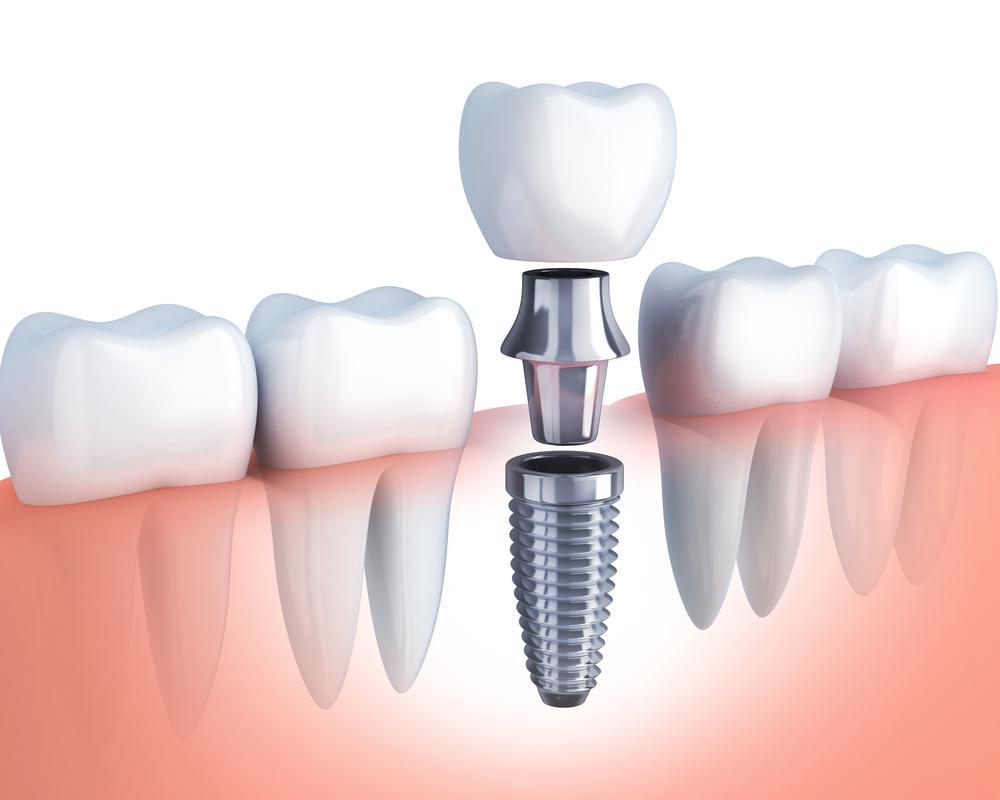
The position of an implant can influence the eventual crown, bridge or other prosthetic restoration. This means implant placement should be considered in relation to the final functional and restorative outcome.
A training programme that connects implant placement with prosthetic planning can help learners see the treatment as a coordinated process.
Bone and Soft Tissue Are Part of the Assessment
The available bone and condition of the surrounding soft tissue can influence implant planning. Assessment of the proposed implant site helps determine whether the area is suitable and whether additional procedures may need consideration.
The exact assessment depends on the clinical case and appropriate diagnostic methods.
Planning May Consider
-
Available bone at the proposed site
-
Soft-tissue condition
-
Position of adjacent teeth and structures
-
Occlusal requirements
-
Planned prosthetic restoration
-
The patient's overall oral condition
These factors cannot be treated as separate boxes because they can influence one another.
Implant Position Is More Than a Surgical Measurement
Where an implant is placed can affect both function and the eventual restoration. Angulation, depth and position need to be considered according to the individual case.
This is why implant education benefits from going beyond the mechanics of drilling and placement.
Understanding the relationship between the implant, surrounding structures and final restoration can help learners approach planning more systematically.
Surgical and Prosthetic Stages Need to Work Together
Implant treatment commonly involves more than one stage. The surgical phase creates the foundation, while the restorative phase completes the functional treatment.
Dentists learning implant dentistry can benefit from understanding both sides of this relationship.
The Treatment Journey Can Involve
-
Assessment and diagnosis
-
Treatment planning
-
Site preparation when indicated
-
Implant placement
-
Healing and integration
-
Prosthetic restoration
-
Follow-up and maintenance
The sequence and duration can differ between patients and procedures.
Not Every Implant Case Is the Same
A single missing tooth, multiple missing teeth and a fully edentulous arch can present very different planning requirements.
Previous dental treatment, available bone, bite relationships and the condition of neighbouring structures can also influence the approach.
For this reason, implant training should help learners understand principles that can be applied to different clinical situations rather than memorising one standard procedure.
Learning Implant Dentistry Requires More Than Surgical Technique
A dentist may be interested in the surgical aspects of implant placement, but successful implant treatment also involves diagnosis, treatment planning, restorative thinking and follow-up.
Understanding these connections can help learners appreciate why implant dentistry is considered a multidisciplinary area of dental practice.
At The Dental Home Academy, dental education can provide structured learning for practitioners seeking to develop their understanding of implant-related clinical procedures and planning.
Frequently Asked Questions
Does implant training include treatment planning?
Depending on the programme, implant training may cover assessment and planning alongside surgical and restorative concepts. The specific curriculum should be checked before enrolment.
Why does the planned restoration matter before implant placement?
The intended restoration can influence implant position, angulation and other aspects of treatment planning.
Is every dental implant case planned in the same way?
No. The number of missing teeth, bone availability, surrounding structures and restorative requirements can change the treatment approach.
CTA
Dentists looking for the Best Dental Implant course in Delhi can contact The Dental Home Academy to learn more about the implant training, course structure and clinical learning opportunities available for dental professionals.
Meta Description: Explore the planning principles behind dental implant treatment, including bone assessment, implant positioning, restorative planning and treatment stages.
- Best Dental Implant course in Delhi
- Best Dental Implant course in South Delhi
- Best Dental Implant course in North Delhi
- Best Dental Implant course in West Delhi
- Best Dental Implant course in Paschim Vihar
| Tags: |