Best prosthodontics Course
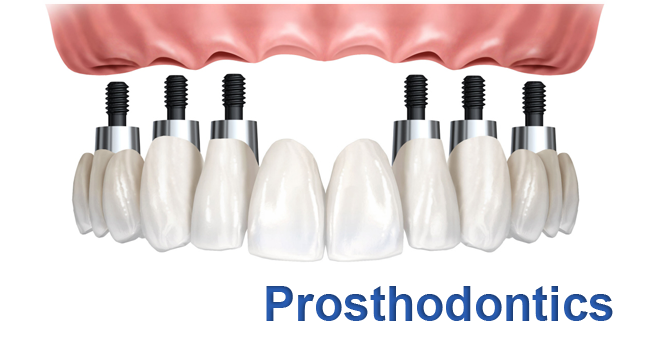
A missing or severely damaged tooth can affect more than appearance. Chewing, speech, bite and the way neighbouring teeth function can also be involved. Prosthodontics addresses these concerns by looking at how a dental restoration should work within the patient's existing oral structures.
For dentists developing prosthodontic knowledge, this means going beyond memorising different restoration types. Treatment planning involves understanding the condition of the mouth, the available tooth structure and the functional requirements of the proposed restoration.
The Starting Point Is the Condition of the Mouth
A restoration cannot be planned in isolation. The dentist needs to consider the tooth or teeth involved, surrounding tissues, occlusion and the patient's overall oral condition.
A severely damaged tooth may require a different approach from a tooth with sufficient remaining structure to support a restoration directly. This makes assessment an important part of prosthodontic decision-making.
Function Comes Before Choosing a Restoration
A crown, bridge, denture or other prosthetic option is not selected simply because it replaces something that is missing. The restoration needs to serve a functional purpose.
Chewing forces, contact with opposing teeth and the relationship between adjacent teeth can all influence the treatment approach.
Functional Factors Can Include
-
Chewing efficiency
-
Occlusal relationships
-
Remaining tooth structure
-
Position of neighbouring teeth
-
Stability of the proposed restoration
-
Long-term maintenance requirements
The relevance of each factor varies according to the clinical situation.
Tooth Structure Can Influence the Treatment
When a tooth has lost substantial structure because of decay, fracture or previous treatment, the amount of healthy tooth remaining becomes an important consideration.
The restoration needs adequate support. In some cases, preliminary treatment may be required before the final prosthetic restoration can be placed.
This is why prosthodontic treatment often connects with other areas of dentistry rather than functioning as a completely separate discipline.
Appearance Is Part of the Picture Too
Modern restorative dentistry can involve considerable attention to appearance, particularly when visible teeth are being restored.
Shade, shape, proportion and the relationship between the restoration and surrounding teeth may all be considered. However, appearance does not replace function. A restoration also needs to work comfortably within the patient's bite and oral environment.
Prosthodontics Often Connects With Other Dental Specialities
A prosthodontic case may involve endodontic treatment, periodontal care, oral surgery or implant dentistry before the final restoration is completed.
For example, a tooth may require root canal treatment before it can receive a definitive restoration. A missing tooth may lead to discussions about implant-supported or other prosthetic options.
One Restoration Can Involve Multiple Decisions
-
Is the tooth restorable?
-
Is additional treatment required first?
-
How will the restoration interact with the bite?
-
What material is appropriate?
-
How will the restoration be maintained?
These questions help turn a restoration into a planned treatment rather than an isolated procedure.
Understanding Materials in Restorative Work
The choice of restorative material can influence both the planning and execution of prosthodontic treatment. Dentists may need to consider factors such as durability, aesthetics, handling properties and the demands placed on the restoration before deciding which material is appropriate for a particular case.
Learning about these material differences can help practitioners understand why one option may be more suitable than another in different clinical situations. It also connects material selection with broader aspects of prosthodontic planning rather than treating it as an isolated decision.
The Dental Home Academy offers prosthodontic education where learners can build their understanding of restorative materials alongside treatment planning, restoration design and functional considerations.
Learning to Think About the Final Result
Prosthodontics requires consideration of what happens after the restoration is placed. The patient still needs to chew, speak, maintain oral hygiene and care for the restoration.
For dentists developing their prosthodontic skills, thinking about the final functional result can therefore be as important as understanding the technical steps used to create the restoration.
Frequently Asked Questions
Does prosthodontics only deal with missing teeth?
No. Prosthodontics also involves restoring damaged or compromised teeth and addressing functional and restorative concerns.
Why does remaining tooth structure matter?
The amount and condition of remaining tooth structure can influence whether and how a tooth can support a restoration.
Can prosthodontic treatment involve other dental specialities?
Yes. Some cases may require endodontic, periodontal, surgical or implant-related treatment as part of the overall restorative plan.
CTA
Dentists interested in strengthening their prosthodontic knowledge can explore the Best prosthodontics Course in Janakpuri at The Dental Home Academy, with training focused on the principles involved in restoring function, planning treatment and managing prosthodontic cases.
Meta Description: Explore prosthodontic treatment planning, including function, remaining tooth structure, restorative materials, aesthetics and interdisciplinary dental care.
- Best prosthodontics Course in Janakpuri
- Best prosthodontics Course in Tilak Nagar
- Best prosthodontics Course in Uttam Nagar
- Best prosthodontics Course in Dwarka
- Best prosthodontics Course in Vikaspuri
- Best prosthodontics Course in Subhash Nagar
- Best prosthodontics Course in Ramesh Nagar
| Tags: |